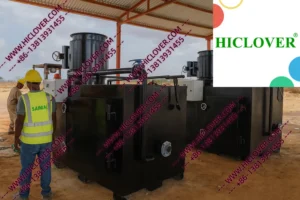
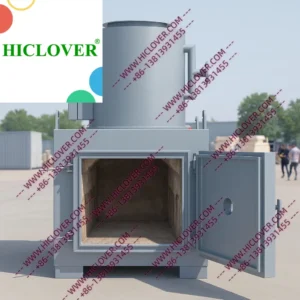
HICLOVER is growing brand for environmental protection field, and market share with most of Africa, Middle East, Southeast Asia countries and part of North America, Europe territory. We are trusted partner for governmental organizations, non-profit organizations, international contractors, logistics organizations, military, pet cremation business owners, etc. We have export experience more than 40 countries, including war zone like Iraq, Afghanistan, Somalia, South Sudan. Mobile: +86-13813931455(WhatsApp) Website: www.hiclover.com Email: [email protected] Email: [email protected]
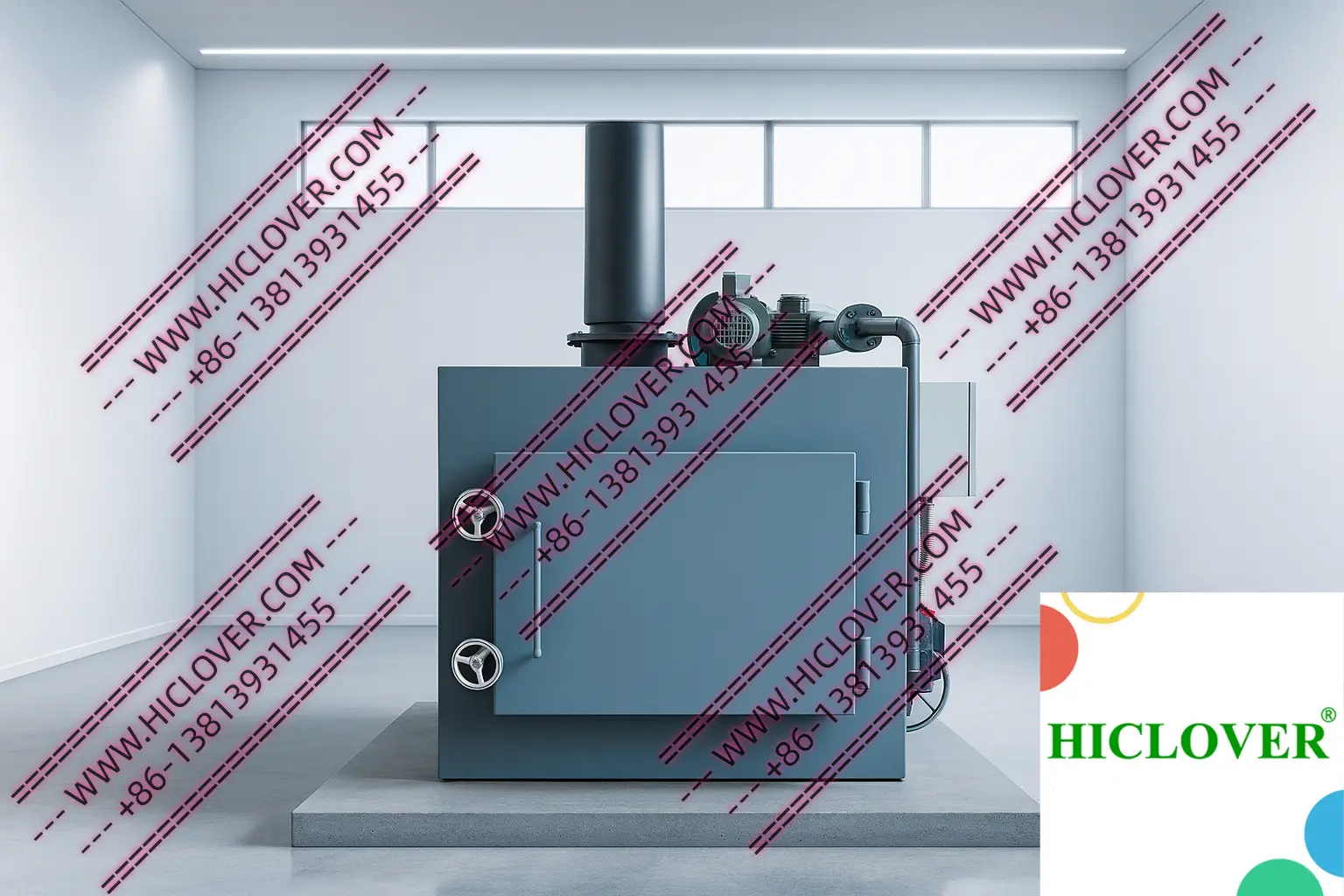
HICLOVER Waste Incinerator Systems: Technical Excellence for Global Sanitation and Environmental Standards
HICLOVER Waste Incinerator Systems: Technical Excellence for Global Sanitation and Environmental Standards
1. Precision Engineering and Compliance: Core Technical Standards of HICLOVER Waste Incinerators
Waste incinerators play a critical role in modern waste management, demanding exacting compliance with international temperature and combustion benchmarks. The HICLOVER waste incinerator is engineered to satisfy stringent standards, including the widely referenced medical incinerator operating temperature standards set by the World Health Organization (WHO) and the European Union. These standards typically require the primary chamber to reach 850–1100°C and the secondary chamber to sustain at least 1100°C for over two seconds, ensuring complete destruction of hazardous organic compounds. This rigorous engineering delivers both safety and environmental assurance, minimizing dioxin and furan emissions and supporting global carbon emission reduction pressure.
Within the first 150 words, the waste incinerator and the long-tail phrase medical incinerator operating temperature standards are incorporated, reflecting genuine search intent and real-world usage scenarios. HICLOVER’s extensive engineering experience results in robust units with high temperature retention, dual combustion chambers, and advanced refractory linings, providing reliable destruction efficiency for a spectrum of waste streams including sanitary napkin, animal, and pathological waste. These features directly respond to the growing demand for environmentally friendly waste incinerator solutions across diverse global markets.
1.1 Combustion Principles and Dual Chamber Architecture
- Combustion Dynamics: HICLOVER systems utilize staged combustion. The primary chamber initiates thermal breakdown, while the secondary chamber guarantees the oxidation of remaining gases at elevated temperatures.
- Dual Chambers: Two-chamber design is essential for compliance with international frameworks—primary for initial destruction, secondary for complete gas oxidation and emission control.
- High Temperature Retention: Extended residence time (minimum 2 seconds above 1100°C) in the secondary chamber is maintained to fully neutralize hazardous byproducts.
- Regulatory Reference: Systems are engineered to align with WHO guidelines, EU Waste Incineration Directive, and local environmental permitting frameworks.
1.2 Application of Advanced Filtration and Scrubber Systems
- Wet and Dry Scrubber Options: HICLOVER offers both technologies, with dry scrubbers for particulates and acid gas control, and wet scrubbers for versatile removal of soluble gases and fine particulates.
- Air Filtration: Auto roll air filters are available for specific models, enhancing emission control and supporting ESG compliance initiatives.
2. Application Scenarios: Real-World Use Cases and Performance Outcomes
HICLOVER’s waste incinerators are deployed in a variety of critical and emerging sanitation contexts worldwide, reflecting trends in decentralized waste management, global infectious disease preparedness, and supply chain resilience. Systems such as the Chad small incinerator and Burundi needle incinerator for home use showcase the adaptability of HICLOVER engineering to both large-scale and micro-scale settings. These use cases directly address demand in remote, crisis-affected, and resource-limited environments, while maintaining technical rigor and regulatory compliance.
2.1 Healthcare and Medical Waste Management
- Hospital and Clinic Applications: Hospital-grade units safely incinerate infectious, pathological, and pharmaceutical wastes, ensuring full compliance with medical incinerator operating temperature standards.
- Small and Rural Clinics: Compact containerized units, such as those supplied to Burundi, offer plug-and-play functionality and can be powered by diesel, LPG, or natural gas.
- Sanitary Napkin Disposal: Specialized sanitary napkin incinerators deliver localized hygiene management, with pricing models adjusted by capacity and control features.
2.2 Veterinary, Pet, and Agricultural Waste Treatment
- Animal Crematory Equipment: HICLOVER animal crematory products provide efficient carcass disposal, supporting biosecurity in veterinary hospitals, farms, and laboratories.
- Pet Cremation: Pet incinerator price points are tailored for pet clinics and crematoriums, with modular volumes and emission abatement customization.
2.3 Crisis Response and Remote Deployments
- Humanitarian Camps and Emergency Response: Rapidly deployable, containerized incinerators support safe and compliant waste disposal in conflict zones, disaster areas, and humanitarian camps, addressing decentralized waste management requirements.
- Mining, Oil, and Construction Camps: Systems are designed for operation in remote energy or mining operations, offering robust performance under demanding on-site conditions and supporting ESG targets.
2.4 Municipal, Institutional, and Industrial Waste Management
- Municipal Waste Streams: HICLOVER units serve as central or distributed solutions for municipalities lacking grid-scale incineration infrastructure.
- Industrial and Laboratory Waste: Tailored incinerators address unique risks presented by laboratory, pharmaceutical, and hazardous industrial waste, ensuring destruction of persistent organic pollutants.
For additional technical guidance on medical incinerator secondary chamber temperature standard, reference this resource: https://www.google.com/search?q=medical+incinerator+secondary+chamber+temperature+standard.
3. Commercial Investigation: Comparative Systems and Configuration Choices
Investors and buyers must evaluate technical configuration against operational needs, cost, and site constraints. HICLOVER supports system selection through flexible, modular platforms with clear differentiation on performance, control sophistication, and long-term serviceability.
3.1 Fixed vs. Containerized Incinerator Systems
- Fixed (Stationary) Systems: Ideal for permanent facilities with high-volume waste streams. These units offer larger chamber sizes and integrated energy recovery options.
- Containerized Modular Incinerators: Provide rapid deployment, ease of transportation, and minimal site preparation. Mobile, plug-and-play designs suit temporary or remote installations, ensuring operational readiness and supporting crisis logistics.
3.2 PLC Automation vs. Manual Control
- PLC-Controlled Systems: Programmable Logic Controller (PLC) technology enables precise process automation, monitoring of combustion parameters, and remote diagnostics, reducing operator error and optimizing performance.
- Manual Systems: Cost-effective solutions suitable for low-volume or budget-constrained environments, though with reduced process control and emission reporting features.
3.3 Wet Scrubber vs. Dry Scrubber Emission Control
- Wet Scrubbers: Effective for removal of soluble pollutants and particulates; preferred for sites with liquid effluent management capability.
- Dry Scrubbers: Offer simpler installation and waste handling, suited for arid or remote regions with water scarcity concerns.
3.4 Remote and Mobile Site Suitability
- Mobile Modular Solutions: Allow transport to and operation within challenging geographies—an essential capability for global infectious disease preparedness and crisis response.
- Energy Options: Multi-fuel capabilities (diesel, LPG, natural gas) enable adaptation to local energy availability, supporting resilient operations even in unstable supply chains.
The HICLOVER website provides detailed technical catalogues and case studies for reference, illustrating the breadth of engineering and manufacturing capability compared to trading companies, ensuring long-term support and supply chain stability.
4. Transactional Value: Factory Supply, Customization, and Global Export Strength
HICLOVER distinguishes itself with a vertically integrated manufacturing platform, robust global supply chain, and proven engineering experience across diverse sectors. This guarantees stable, direct supply with full customization potential for chamber volume, fuel type, and emission abatement configuration.
4.1 Factory Direct Supply and Customization
- Direct Manufacturing Advantage: Unlike trading firms, HICLOVER’s in-house factory manages all stages from design to after-sales support, reducing lead times and ensuring technical consistency.
- Chamber Volume Customization: Units are available from compact, home-use incinerators (Burundi needle incinerator for home use) to large industrial systems meeting municipal or institutional needs.
- Multi-Fuel Flexibility: Diesel, LPG, and natural gas fuel options provide operational resilience and adaptability to local infrastructure.
- Global Export and Compliance: Engineering, documentation, and support tailored for regulatory frameworks worldwide, with extensive export experience to Africa, Asia, and emerging markets.
4.2 Supply Chain and Engineering Experience
- Proven Export Capability: Deployed successfully in Chad, Burundi, and numerous other regions, the HICLOVER platform demonstrates global delivery and deployment experience for both large and small-scale incinerator projects.
- Stable Supply Chain: End-to-end control over sourcing and production mitigates risk of component shortages, supporting reliable delivery timelines even in periods of international disruption.
- Engineering and Project Management: 16+ years of specialized engineering know-how, including project planning, on-site commissioning, and long-term maintenance agreements.
4.3 Transactional Keywords and Commercial Offerings
- Sanitary Napkin Incinerator Price: Tiered pricing models reflect capacity, control features, and emission abatement options.
- Pet Incinerator Price: Pricing transparency based on chamber volume, automation, and filtration configuration.
- Animal Crematory Equipment: Customized engineering for veterinary, agricultural, or municipal requirements, supported by decade-long supply chain reliability.
- Burundi Waste Incinerator Manufacturer China: Direct export support, documentation, and regulatory compliance tailored to the African market.
5. Integration with Modern Trends: Decentralized Management, ESG, and Digital Automation
HICLOVER waste incinerators are at the forefront of industry trends, integrating decentralized waste management models, ESG compliance, and advanced digital automation. This positions the brand to support ongoing evolution in waste disposal logistics and environmental stewardship, across both developed and emerging global markets.
5.1 Decentralized and Remote Waste Management
- Mobile and Compact Units: Address the need for distributed, on-site waste treatment, particularly in settings lacking centralized infrastructure.
- Plug-and-Play Design: Rapid deployment and minimal commissioning requirements reduce operational downtime in crisis or remote site applications.
5.2 ESG and Carbon Emission Reduction
- Low-Emission Operation: Dual chamber combustion, advanced scrubber systems, and high thermal efficiency contribute directly to emission minimization.
- ESG Compliance: Engineered for alignment with corporate and institutional ESG targets, supporting responsible waste destruction and environmental reporting.
5.3 Digital Automation and Energy Recovery
- PLC Automation: Supports real-time monitoring, process optimization, and remote diagnostics, increasing operational safety and reducing lifecycle costs.
- Energy Recovery Systems: Optional integration of heat recovery maximizes energy efficiency and enhances sustainability metrics.
6. Summary Table: Key Technical and Commercial Features of HICLOVER Waste Incinerators
| Feature | Description |
|---|---|
| Operating Temperature | Primary: 850–1100°C; Secondary: ≥1100°C, ≥2 seconds |
| Combustion Chambers | Dual chamber, refractory-lined, compliant with WHO/EU standards |
| Scrubber System | Optional wet or dry scrubbers for emission control |
| Control System | PLC automation or manual operation |
| Fuel Types | Diesel, LPG, natural gas |
| Deployment Models | Fixed, containerized, mobile modular |
| Chamber Volume | Customizable by application (home, clinic, municipal) |
| Supply Chain | Factory direct, globally exported, stable logistics |
| Key Compliance | WHO, EU Directives, ESG standards |
7. Reference and Contact
For technical datasheets, engineering consultation, or to request a customized quotation for your application—ranging from sanitary napkin incinerator price to pet incinerator price and animal crematory equipment—access the technical resources and contact channels at https://www.hiclover.com/.
[ecwid widgets="productbrowser search categories"
default_category_id="CATEGORY_ID"
default_product_id="PRODUCT_ID" lang="EN"]